

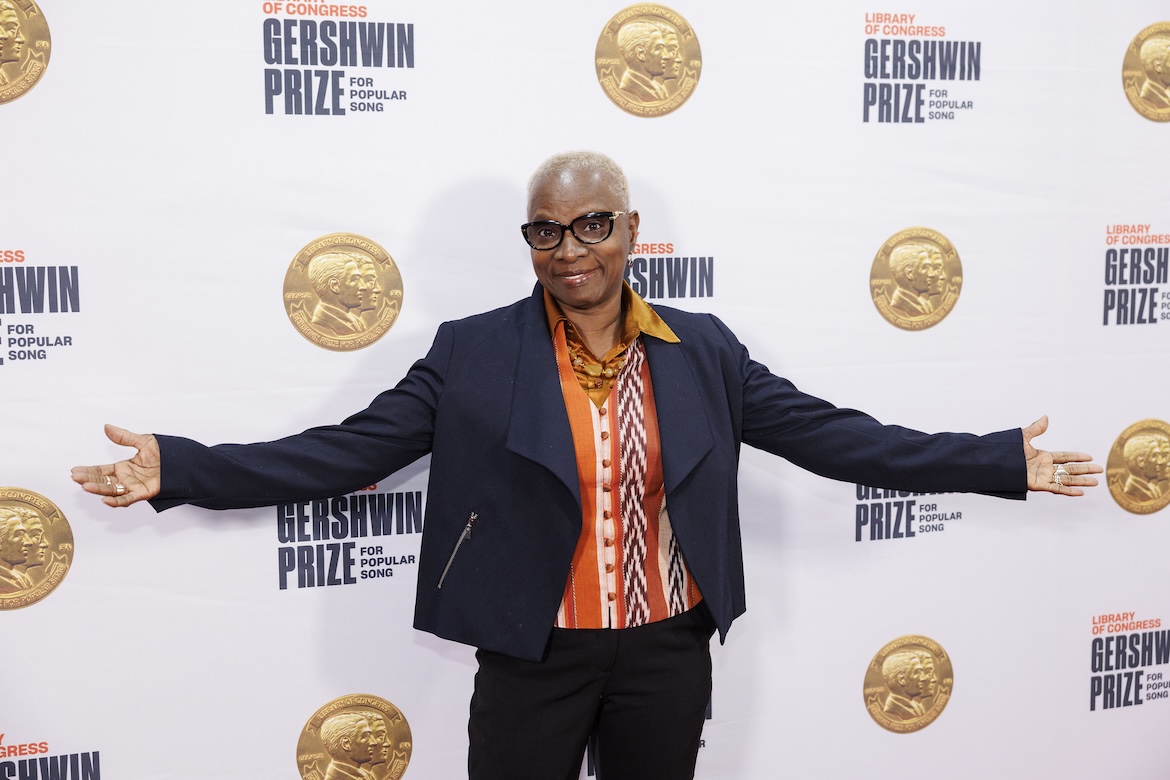
Kidjo, a five‑time Grammy winner known for fusing traditional West African music with Afropop, Afrobeat and global influences, made history as the first Black African artist to receive a star. She joins 35 artists in the 2026 class—including Shaquille O’Neal, Bone Thugs‑N‑Harmony, the Clark Sisters and ABC News anchor Robin Roberts—but her selection resonates far beyond entertainment. It recognizes an artist whose voice, stage presence and activism have inspired generations.
Kidjo was born in Ouidah, Benin, and started singing at an early age. She released her debut album “Pretty” in 1981. When a political coup destabilized Benin in 1983 she moved to Paris to pursue her career without fear of persecution. Her powerful vocals and charismatic stage presence soon caught the attention of world‑music audiences. In the 1990s she released albums such as Logozo, Ayé and Fifa, which propelled her to international fame.
In 1997 Kidjo immigrated to the United States and settled in Brooklyn. There she began work on a trilogy of albums exploring the music of the Black diaspora—Oremi, Black Ivory Soul and Oyaya!. Over the next two decades she continued to write, record and tour, winning five Grammy Awards for albums like Djin Djin, Eve, Celia and Mother Nature. Her ability to weave Fon, Yoruba and French lyrics with jazz, funk and contemporary pop elements has made her an ambassador for African music on the world stage.
Kidjo’s influence extends far beyond music. In 2002 she was appointed a UNICEF Global Ambassador. She recognized that secondary education can protect girls from child marriage and empower communities, so in 2006 she founded the Batonga Foundation. The foundation supports higher‑education initiatives and entrepreneurial mentorship programmes for girls and young women in Benin. Kidjo’s activism is rooted in a belief that music and advocacy are intertwined: she has said that music gave her the strength to talk about anything, and her art is “steeped in the story of resilience, love, and what you can accomplish with very little”.
Through performances at events such as the Tokyo 2020 Olympics and her involvement in global campaigns for women’s rights and climate action, Kidjo has amplified voices often ignored in international forums. She serves on the boards of numerous organisations and leverages her platform to campaign for education, gender equality and cultural preservation.
Kidjo’s star on the Hollywood Walk of Fame adds to a long list of honors. She was named to TIME magazine’s 100 Most Influential People in 2021 and has received France’s Legion of Honor (2021), multiple Grammy Awards for Best Global Music Album, an Honorary Doctorate from UCLouvain (2020), and an NAACP Image Award. These accolades recognize not only her musical achievements but also her efforts to promote cultural diversity and empower women and girls.
Having a star on the Hollywood Walk of Fame is more than a personal milestone for Angélique Kidjo—it’s a symbolic victory for African artists and women in entertainment. The Walk of Fame has historically been dominated by Western artists; Kidjo’s inclusion signals a broader appreciation for global music and the contributions of African creatives. As the first Black African artist to be honored, she paves the way for future generations of musicians and activists from the continent. Her selection reflects her status as a cultural icon, bridging continents through art and advocacy.
Angélique Kidjo’s journey from a small coastal town in Benin to the global stage is a story of resilience and vision. From releasing her first album at age 21 to founding a nonprofit that empowers young African women, she has consistently used her voice to inspire and uplift. The Hollywood Walk of Fame star is a fitting tribute to a woman who has spent over four decades breaking barriers and promoting equality. As the world celebrates her latest achievement, Kidjo continues to remind us that music can be a force for cultural connection and positive change.
Photo by Photo by Shawn Miller/Library of Congress - Domaine public