

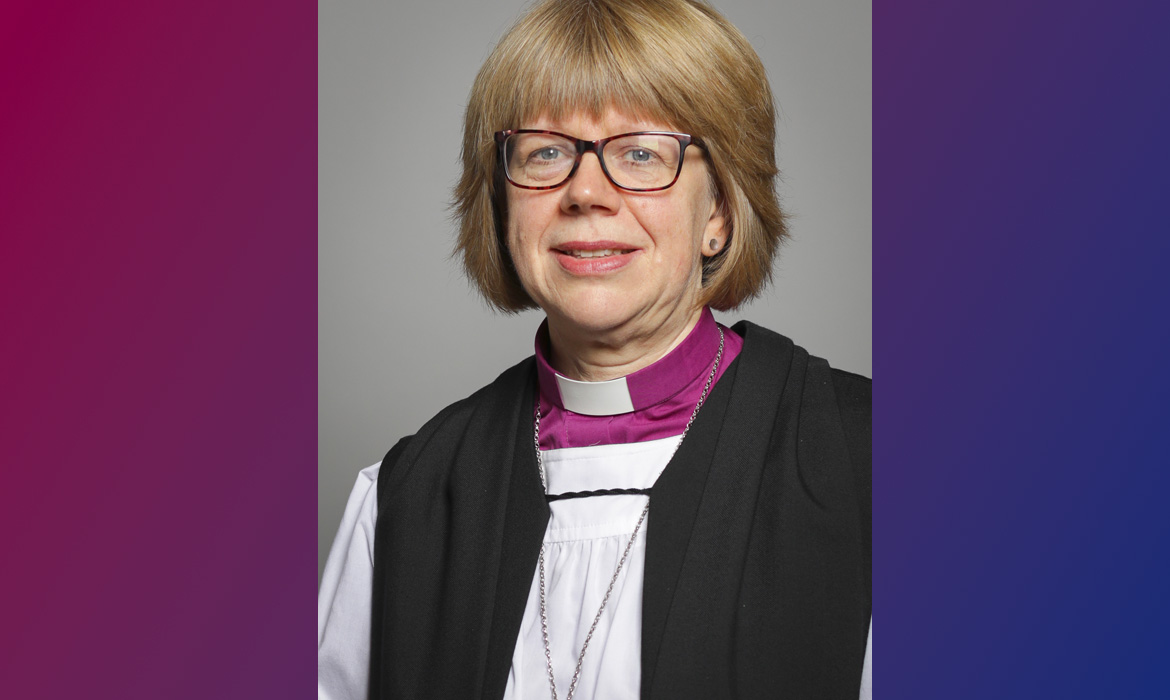
The ceremony, steeped in centuries‑old rituals, marked the first time in the Anglican communion’s 1,400‑year history that a woman has assumed the church’s top leadership role. It’s a milestone for gender equality and a moment of reflection on how far the Church of England has come—and how far it still has to go.
Sarah Mullally’s path to Canterbury is as unconventional as it is inspiring. Born in Woking, she began her professional life in nursing and quickly rose through the ranks. By 1999, she became the Department of Health’s chief nursing officer, the youngest person ever to hold the role. During her tenure, she advised government ministers and spearheaded initiatives such as Europe’s first patient survey, which sought to improve patient experiences across the National Health Service. In 2005 she was recognized for her contributions to health care with a damehood.
Yet despite her success in medicine, Mullally felt called to the priesthood. She was ordained in 2001 and began a rapid ascent within the Church of England. In 2017, she became the Bishop of London, placing her third in the church’s hierarchy. She used that role to advocate for diversity and inclusion, arguing that churches must better reflect the communities they serve and encouraging more women and people from minority ethnic backgrounds to take on leadership positions.
When Justin Welby, her predecessor, stepped down amid criticism over the church’s handling of abuse allegations, Mullally emerged as a strong candidate to succeed him. Her election was confirmed by an ecclesiastical court at St Paul’s Cathedral. Bishops declared that no objections had been raised, and Mullally took an oath of allegiance before receiving a standing ovation. With that, she officially became the 106th Archbishop of Canterbury and the spiritual leader of the Anglican communion.
The confirmation was not without its drama; the service was briefly interrupted by a heckler before the individual was removed. The incident underscored the resistance Mullally may face as a woman leading a historic institution. In interviews, she acknowledged that she has encountered misogyny throughout her career and emphasised the importance of addressing it openly.
Mullally’s dual background as a nurse and a bishop offers a unique blend of pastoral care and administrative expertise. Commentators have described her appointment as an “immense step” for the Church of England. The church has gradually opened its leadership to women, consecrating its first female bishop in 2014; Mullally’s elevation feels like a natural next step. However, it also challenges the Anglican communion to reconcile tradition with modern values, particularly in areas like gender equality and inclusion of LGBTQ+ believers.
As Bishop of London, she championed diversity and called for a more inclusive church. Her past work on safeguarding and conduct reforms—motivated by her outspoken condemnation of the church’s mishandling of abuse cases—suggests that she will prioritise transparency and accountability in her new role. Many hope her leadership will help heal divisions within the church and restore trust among believers.
While Mullally’s appointment is historic, she faces formidable challenges. The Church of England is grappling with declining membership, debates over LGBTQ+ inclusion, and criticism for past failures to protect vulnerable members. Her nursing experience, with its emphasis on listening, empathy and healing, may prove invaluable as she navigates these issues. Supporters believe her combination of practical leadership and compassionate care positions her to guide the church through a time of change.
Dame Sarah Mullally’s story is a reminder that remarkable women can redefine institutions without abandoning their roots. From championing patient voices in the NHS to advocating for inclusivity in the church, she has consistently used her platform to uplift others. Her confirmation as the first female Archbishop of Canterbury isn’t just a victory for equality; it’s an invitation to reimagine what leadership can look like in the 21st century.
© Photo: Roger Harris - CC BY 3.0 - Official portrait of The Lord Bishop of London