

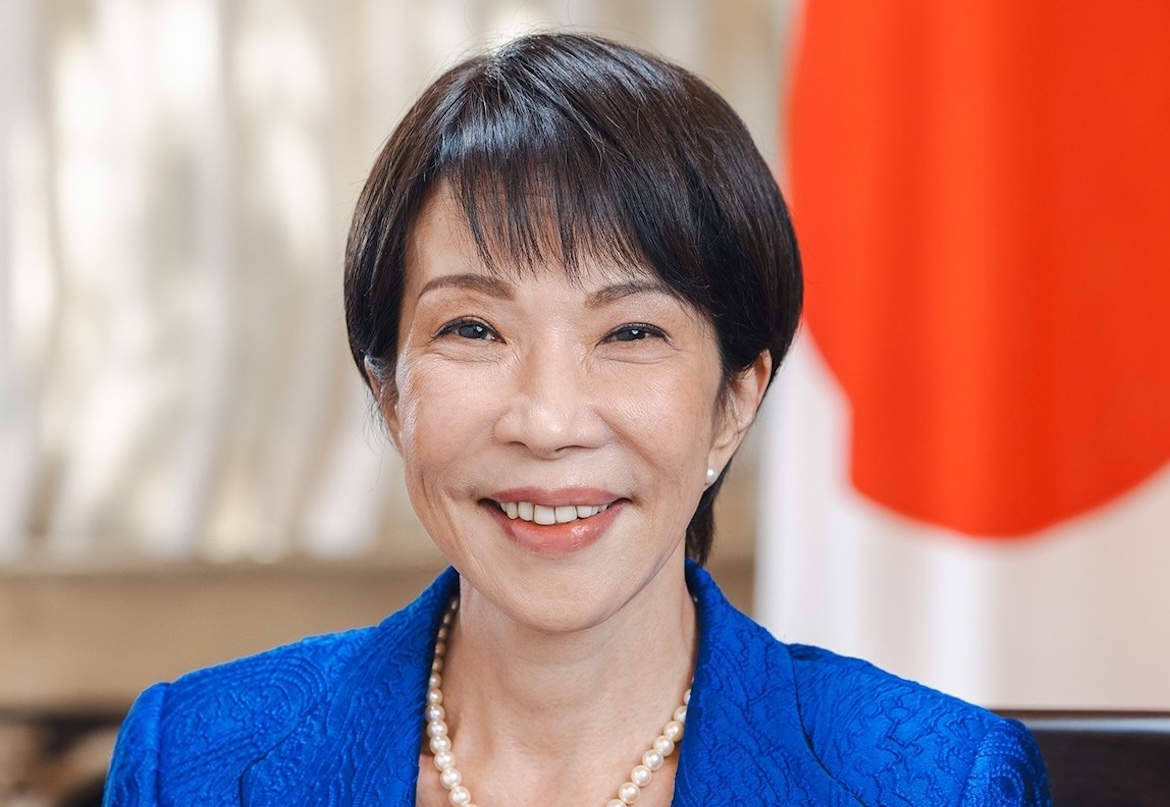
A Reuters story notes that this would be the first time the conservative leader – and Japan's first female prime minister – faces voters and could allow her to capitalise on strong approval ratings. Takaichi, who took office in October 2025**, has enjoyed a honeymoon period, but an early election would be a high‑stakes test of her leadership. The possibility underscores how quickly Japan's political landscape has shifted and highlights the challenges facing a woman whose policies defy conventional stereotypes about gender and governance.
Takaichi's rise to power was historic. At 64, she became the first woman to lead the Liberal Democratic Party (LDP) and the first woman to be appointed prime minister on 21 October 2025. In a nation where politics is heavily male-dominated, she stands out not only because of her gender but also because she does not come from a political dynasty. She grew up in a dual‑income household in Nara Prefecture and commuted six hours to attend Kobe University, financing her education with part‑time work. Before entering politics she worked as an author, legislative aide and broadcaster, experiences that gave her a unique perspective on public communication.
Her political career began when she was elected to parliament as an independent in 1993 and later joined the LDP in 1996. She served as Minister of Internal Affairs and Communications and later as Minister of State for Economic Security, roles that showcased her administrative skills. She is known as an admirer of Margaret Thatcher and a protege of the late Prime Minister Shinzō Abe. These influences help explain her conservative and nationalistic worldview, which prizes tradition, robust defence and a strong sense of national identity. As the International Centre for Defence and Security notes, Takaichi stands out in male‑dominated politics yet is distinctive because she does not come from a political dynasty; she was first elected in 1993, served in cabinet posts and is often portrayed as hawkish on defence and national security.
Takaichi's policy agenda blends fiscal activism with conservative social values. She advocates big government spending to stimulate Asia's second‑largest economy, but on social issues she holds traditionalist views. She opposes same‑sex marriage and separate surnames for spouses and supports revising Article 9 of Japan's constitution, which renounces war. She has pledged to accelerate defence spending to 2 percent of GDP and push for a “truely integrated US‑Japan alliance”. According to the ICDS analysis, Takaichi is nationalistic, hawkish and leans to the right; she believes Japan should respect its traditions and has visited the Yasukuni Shrine to honour war dead. Her stance on immigration is tough, and she has proposed forming a quasi‑security alliance with Taiwan, Europe and other partners to counter China.
These positions have already shaped Japan's foreign relations. In November 2025 she sparked a diplomatic dispute with China by suggesting that a Chinese attack on Taiwan could be deemed an existential threat to Japan, potentially triggering a military response. Beijing reacted by discouraging tourism, cancelling meetings and restricting certain exports to Japan. Takaichi has argued that such curbs violate international protocols and has been working with Group of Seven partners to diversify supply chains. Meanwhile, her strong ties with former President Donald Trump – she is scheduled to host him in Tokyo and attend regional summits in late 2025 – signal a desire to anchor Japan firmly within U.S.-led security frameworks.
Domestically, Takaichi faces an ageing population, sluggish growth and rising inflation. She proposed a $783 billion spending package to cushion the blow of inflation, but a February election could delay passage of the budget. Opposition parties argue that calling an election before enacting the budget would endanger the timely implementation of stimulus measures. Takaichi insists her priority is to ensure citizens feel the benefits of stimulus policies even as she contemplates a snap vote. The early‑election gamble, if realised, would test whether her strong public approval translates into electoral support and whether she can consolidate a coalition majority.
Despite her ascent shattering a glass ceiling, Takaichi has not positioned herself as a champion of women’s rights. Some scholars note that she shows little interest in gender equality policies and emphasises traditional family roles. As such, her premiership provokes debate about what representation means: Can a woman in power challenge entrenched norms while pursuing conservative policies? Her legacy may hinge on how she balances gender symbolism with substantive policy outcomes.
Looking Ahead
Sanae Takaichi’s tenure is already redefining Japanese politics. Her historic position as the first woman to lead Japan marks a milestone for representation, yet her conservative agenda and hawkish foreign policy illustrate that female leadership does not automatically align with progressive causes. Whether she calls an early election or governs until 2028, Takaichi must navigate economic headwinds, demographic challenges and volatile regional dynamics. Her decisions over the next months will determine not only her political future but also Japan’s trajectory in an increasingly complex world.
© Photo: 外務省 (MOFA) - CC BY 4.0 - Official portrait of Sanae Takaichi, Prime Minister of Japan