

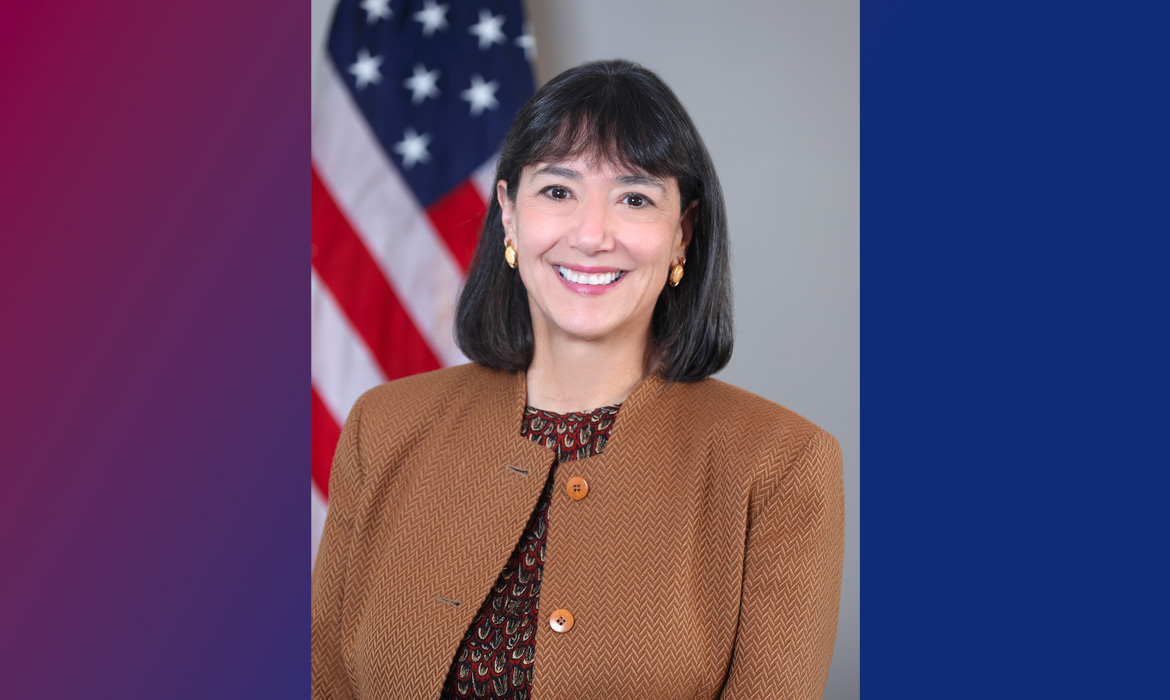
The former director of the U.S. National Institutes of Health (NIH) will begin a six‑year term on July 1 2026, succeeding Victor J. Dzau. The NAM praised her “collaboration and steadfast commitment to patients and communities” and noted that she is the first woman chosen to lead the Academy since its establishment as the Institute of Medicine in 1970. Bertagnolli said she was “deeply honored” and emphasized the Academy’s role in bringing science, clinical expertise and community experience together to improve health for everyone.
Bertagnolli’s path to this milestone began far from Washington, D.C. She grew up on a 4,800‑acre cattle ranch in southwestern Wyoming as the daughter of first‑generation Italian and French Basque immigrants. After earning a degree in biochemical engineering at Princeton University, she decided she wanted to apply engineering principles to human biology and enrolled in medical school at the University of Utah. During her first clinical rotation she unexpectedly fell in love with surgery and quickly knew the operating room was where she belonged.
As a cancer surgeon, Bertagnolli built a distinguished career treating gastrointestinal tumors and soft‑tissue sarcomas. She joined the faculty of Harvard Medical School and served as chief of surgical oncology at Brigham and Women’s Hospital and Dana‑Farber Cancer Institute. In October 2022 she became the first female director of the National Cancer Institute (NCI), and when the U.S. Senate confirmed her as the 17th director of the NIH in November 2023 she became the agency’s first surgeon and second woman to hold that post.
Bertagnolli is widely respected for her research on how genetic mutations and inflammation drive gastrointestinal cancers. She has also championed data‑driven innovations that make oncology research more inclusive. At the NCI she spearheaded the mCODE initiative, which standardized oncology data exchange, and DataCOUNTS, an NIH program that manages data to build a learning health system. These efforts improve the infrastructure for clinical trials and help ensure that more patients—especially those in rural and remote communities—have opportunities to participate. As a former president of the American Society of Clinical Oncology, she has pushed for broader representation of patients in clinical research and has served on the boards of the American Cancer Society and the Prevent Cancer Foundation.
Bertagnolli’s election to lead the NAM caps a series of “firsts.” In addition to being the first woman elected as NAM president, she was the first woman to direct the NCI and the first surgeon to head the NIH. The NAM noted that her election followed an intensive year‑long search and that her vision for a more representative, data‑driven health system aligned closely with the Academy’s mission. The Academy has more than 2,400 members, including more than 80 Nobel laureates, and plays a crucial role in advising government and health leaders on policy.
Bertagnolli’s leadership also carries personal resonance. In late 2023 she publicly disclosed that she had been diagnosed with early‑stage breast cancer and underwent treatment. She said the experience reinforced her empathy for patients and underscored the importance of making the health system work for everyone. As she prepares to take the helm of the NAM, Bertagnolli brings the perspective of a surgeon, researcher, patient and advocate. Her story—from ranch to operating room to national leadership—shows how dedication to science and service can break barriers. For readers seeking inspiration and proof that remarkable women continue to reshape medicine in 2026, Dr. Monica Bertagnolli is a name to remember.
© Photo: United States Department of Health and Human Services